Malunde | Habari, Matukio na Burudani
MALUNDE.
Habari za uhakika, kwa wakati
Breaking News

Habari

Malunde News

Friday, August 30, 2019

Prime Minister Invites Investors From Mauritius

Image result for Investors From Mauritius to Tanzania
The Prime Minister, has invited businessmen and investors from Mauritius to join Tanzanians on investments in various areas including tourism, sugar manufacturing, clothing and fishing products.

He made the statement today (Wednesday, August 28, 2019) when he met and held talks with the Prime Minister of Mauritius, Pravind Kumar at the Pasfico Yokohama Exhibition Hall in Japan.

The Prime Minister said Mauritius has great potential in sugar production and they have a great opportunity to partner with Tanzanians in sugar cane and sugarcane production and Tanzania has a good and big land suitable for agriculture as well as a large domestic market. of land.

He said the investment in the sugar industry will help support the Phase Five Government initiative led by President Dr John Magufuli to make sure it eliminates the problem of sugar deficiency in the country.

Commenting on the tourism industry, the Prime Minister said Mauritius has done well in tourism and in particular that of using the beaches. "Since Tanzania has beaches and lakes, I believe cooperation in the area will bring us prosperity."

Regarding air travel, the Prime Minister has said that the time has now come for the Tanzania Airlines (ATCL) to start trips to Mauritius to attract more tourists to Mauritius to make the coastal tours more local.

With regard to textile industry, the Prime Minister has encouraged Mauritian traders to invest in the country mainly in the cotton and textile industries as Tanzania currently produces high quality cotton.

“Many Tanzanians have ended up investing in the cotton processing industry so they have to sell their cotton abroad and our colleagues in Mauritius have gone too far as they have textile and fiber industries. At present the Government of Tanzania has set a strategy for going into the textile industry to increase productivity. ”

He said he had now agreed with the Prime Minister of Mauritius to bring the Ministers of Trade and Trade of Mauritius and Tanzania together to hold talks aimed at persuading Mauritian traders to invest in textile and fiber industries.

Similarly, the Prime Minister has spoken about the Fisheries sector, in which he said that Tanzania has a large area of ​​lakes and lakes suitable for indigenous fisheries and has a large number of fish but is caught on a small scale due to poor investment in the sector.

He said that while the Phase Five Government is preparing the environment for fishing companies in the country, there is still room for foreign investors especially in Mauritius to come to Tanzania to invest in fishing.

For his part, the Prime Minister of Mauritius, Pravind has assured the Tanzanian Government that his country is ready to negotiate with the Ministry of Finance and Investment Societies to obtain sufficient information that will enable him to persuade his country's traders to invest.

The talks were also attended by the Minister of Foreign Affairs and Cooperation of East Africa, Professor Paramagamba Kabudi and officials from the Government of the Union of Tanzania and the Revolutionary Government of Zanzibar

Thursday, August 29, 2019

Minister Makes Negotiations With Canadian Ambassador to the World.

Image result for Interior Minister Kangi Lugola
Interior Minister Kangi Lugola has held talks with the Canadian Ambassador to the country, Pamela O'Donnel and assured her of further cooperation between her Ministry and the Embassy in the country.

The over-one-hour talks took place at the office of Minister Lugola, Dar es Salaam, today that discussed various issues including the strengthening of the cooperation between the Ministry and the embassy's office in the country.

Minister Lugola assured the ambassador that Tanzania will continue to be safe as its Ministry is well positioned to continue to protect its citizens and property as well as all foreigners living in the country.

"Mr. Ambassador I thank you for visiting me, I feel glad for your visit and almost anytime, my Ministry and my country as a whole will continue to cooperate with you on various issues," said Lugola.

For his part, Ambassador Sara, thanked Minister Lugola for the talks they had made and assured him of further cooperation between Canada and Tanzania

Water, water just about all around us, but to what use?

Image result for Water
AT the best of times, even while generally blessed with an abundant supply of fresh water and allied marine resources, Tanzania puts to useful purpose only a fraction – amid numerous cases of over exploitation or other misuse.


In fact, even in the event of getting generous rains and generally clement weather, it often helplessly looks on as water drains into an ocean that doesn’t really need such feeding while massive tracts of rich cropland are swept away by floods only to get unbearably dry when adverse weather sets in.

In part following recommendations informed by findings of expert studies, the government has long contemplated constructing dams and other forms of reservoirs into which rainwater would be diverted for later profitable harvesting. That way, the water would not go into filling rivers that in turn pour into the sea or hydroelectricity supply dams whose floodgates have to be conveniently opened as and when deemed appropriate or necessary.

Splendid, only that we are yet to see any dam specially built for the purpose of arresting and con serving rainwater that would otherwise have gone to waste or even resulted in disaster.

It can scarcely be said for sure what the government, or more specifically the Water ministry, is planning to do at least to show that it means business about implementing initiatives such as Kilimo Kwanza whose fate will hang in the balance until sustainable supply of water is guaranteed.

Without doubt, it would be absolutely wrong to slight the headway made – against massive odds – in tapping Lake Victoria waters for use in places such as semi-arid Shinyanga Region.

All the same, had appropriate measures been taken much earlier, we would be talking of truly large-scale irrigation working agricultural and other miracles just as is the case in Brazil, China, Egypt, India, etc.

These countries demonstrate varying degrees of dependence on rainwater for use in providing drinking water, water for livestock, water for agriculture, and so on. The water harvesting systems in use range from simple ones relying on inexpensive locally available materials to sophisticated industrial ones employed in feeding underground dams.

But even without thinking very big by planning to construct huge surface dams where rainwater could end, we could still do an immense lot in ensuring that not too much of such water is lost or wasted.

There is what is commonly known as rainwater harvesting which, strictly speaking, refers to the technology used for collecting, storing and (maybe) treating rainwater from rooftops, the land surface or rock catchments.

Documentary evidence shows that the techniques usually found in Asia and Africa arise from practices employed by ancient civilisations within those particular regions and still serve as a major source of drinking water supply in rural areas.

These could be improved – and some improvisation would not have to consider copyright laws – to ensure stepped-up efficiency without necessarily proving needlessly expensive. Resources allowing, plans about building dams for large-scale irrigation could then follow.

Tanzanians have abundant experience with serious social, economic, environmental and other problems associated with scarcity of quality freshwater vis-à-vis escalating demand. While the development of new surface dams will likely attract ferocious opposition from environmentalists, demand for clean and safe water could by far overshadow most other considerations.

As a nation, we need to devise and implement ways of doing more to meaningfully exploit rainwater relative to alternative means of ensuring enough supply of water for our various needs. In this, there is no option to moving as fast as we can in making prudent decisions and implementing them accordingly.

Reforms in conduct of doing business should be encouraged – and sustained


AN evaluation meeting of the Tanzania Business Council has expressed satisfaction with the pace and breadth of reforms in the conduct of doing business as currently implemented in the country.

A keynote presentation highlighted the redefinition of functions of the control of standards in general and that of medical and medical devices specifically, thus shifting foods and cosmetics to the Tanzania Bureau of Standards.

Participants expressed delight in enhancement of efficiency in pursuit of licences or permits, while the government has also noticed enhanced compliance, etc.

The wider parameter of the reforms has been set out in what is officiously being described as the Blueprint, a codeword for recommendations and approved methods and actions to be taken to make life easier for investors and business persons in general.

The document was adopted last year and has gradually been making its way in the higher levels of policy administration to become more or less a common reference point, instead of touching disparately either on the way the physical environment is managed, or taxation  is conducted, etc.

The blueprint exudes an air of complementary character of the various measures it envisages, thus get predictable outcomes.

Ordinarily, when there is little explicit divergence between the private sector or the business community and the thrust of government action, at least in relation to day to day issues that affect the conduct of business rather than the main axes of policy, all is likely to be well.

When it comes to the pillars of economic policy, major economic actors tend to adapt to the situation, but they will find it difficult to adapt to disturbances of a day to day basis in the manner in which economic policy is implemented or business conduct is regulated. That is, thus, the mainstay of the Blueprint – to ensure that investors and business generally are comfortable.

Although there is no formula on how the private sector evaluates policy or regulation as a whole, with its precepts or current prerogatives affecting those concerned differently, the critical dimension is how far regulatory action facilitates competition.

That is where public sector sentiments and the business community quite often diverge, as the former wishes for padded enclosures for its regulatory and even active economic entities, which means that they dictate the terms in which they operate, instead of being subjected to the same constraints as others.

It is this sort of attitude shift that is now being assiduously cultivated among regulatory agencies and the public sector generally.

Adjustments in the way we conduct our various activities, whether in the public service or in the private or informal sector, are only to be expected and we all ought to take them in our stride. Positive or otherwise, they will often provide important lessons, which would likely inform the way we move ahead


Trafficking is a global problem and no country is immune to it

Image result for Trafficking
The  World Day against Trafficking in Persons, let us reaffirm our commitment to stop criminals from ruthlessly exploiting people for profit and to help victims rebuild their lives." -- UN Secretary-General António Guterres.

Human trafficking is a crime that exploits women, children and men for numerous purposes including forced labour and sex. Since 2003 the UN Office on Drugs and Crime (UNODC) has collected information on about 225,000 victims of trafficking detected worldwide.

Globally countries are detecting and reporting more victims, and are convicting more traffickers. This can be the result of increased capacity to identify victims and/or an increased number of trafficked victims.

Every country in the world is affected by human trafficking, whether as a country of origin, transit, or destination for victims. Traffickers the world over continue to target women and girls.

The vast majority of detected victims of trafficking for sexual exploitation and 35 per cent of those trafficked for forced labour are female. Conflict further exacerbates vulnerabilities, with armed groups exploiting civilians and traffickers targeting forcibly displaced people.

Data also shows that trafficking happens all around us as the share of persons trafficked within their own country has doubled in recent years to 58 per cent of all detected victims, according to the 2018 UNODC Global Report on Trafficking in Persons .

The Trust Fund facilitates effective, on-the-ground assistance and protection to victims of trafficking, through grants to specialized NGOs. It aims to prioritize victims coming from a context of armed conflict and those identified among large refugee and migration flows.

In September 2015, the world adopted the 2030 Sustainable Development Agenda and embraced goals and targets on trafficking in persons. These goals call for an end to trafficking and violence against children; as well as the need for measures against human trafficking, and they strive for the elimination of all forms of violence against and exploitation of women and girls.

Despite many countries having national trafficking laws in place which are in line with the UN Trafficking in Persons Protocol, people continue to be trafficked. What is more, in many countries, victims may still be criminalized while the impunity of traffickers prevails.

Therefore, on the 2019 World Day UNODC is focusing on highlighting the importance of Government action in the interest of victims of trafficking. But the call to action is not only to Governments, we encourage everyone to take action to prevent this heinous crime.

Human trafficking is a global problem and no country is immune to it. Millions of victims fall into the hands of traffickers, lured by fake promises and deceit.

Data also shows that trafficking happens all around us as the share of persons trafficked within their own country has doubled in recent years to 58 per cent of all detected victims, according to the 2018 UNODC Global Report on Trafficking in Persons.

Despite many countries having national trafficking laws in place which are in line with the UN Trafficking in Persons Protocol, people continue to be trafficked. What is more, in many countries, victims may still be criminalized while the impunity of traffickers prevails.

Therefore, on the 2019 World Day UNODC is focusing on highlighting the importance of Government action in the interest of victims of trafficking. But the call to action is not only to governments, we encourage everyone to take action to prevent this heinous crime

Repatriation of smuggled gold, robbery haul has crucial lessons

ONE school of political philosophy subscribes to the maxim that nations experience shocks as a primary source of guidance, and the rest is repetition.

It has it that it is primarily through such shocks that customs and taboos are raised as fundamental prohibitions found in every society.

It is thus valid to say that shocking events reorganise people’s expectations with respect to society or government in much the same way shocking events redefine relationships in private life.

It is through this prism that one could weigh the significance of Wednesday’s handing over of a 35-kilogramme haul of smuggled rough gold bars and auxiliary pieces alongside a pile of Tanzanian banknotes and foreign currencies grabbed in a bank robbery 15 years ago.

Kenya may have witnessed more of that sort of operations than Tanzania over the years, one explanation relating to its more vibrant market, whether it is for goods or currencies. Still, for the gold smugglers, Nairobi’s Jomo Kenyatta International airport was this time around only a stop-over to the final destination – Dubai.

The sort of itinerary that the gold and currencies passed through is an indication that this scenario took a long time to form and to come to fruition, if you will.

Questions linger, for instance as relates to the time it has taken for the whole things to reach its logical conclusion, as the cash was impounded for 15 years and no deals were cut on the haul in question.

One might argue that the soul of law enforcement was beating, but strictures were being raised everywhere – rendering the process inconclusive.

It is reported that the prime suspect in the bank robbery was arrested in 2004, upon which Tanzania’s Directorate of Public Prosecutions filed cases and demands for the repatriation of the suspect and presumably the cash haul as well, but to no avail. Only as belatedly as in January this year was the suspect finally handed over to Tanzanian police and saw his day at the Resident Magistrate’s Court.

Massive changes in Kenyan politics, and the subsequent waging of a relentless war on corruption, could understandably be given as a factor in the unfolding of the scenario we have just witnessed.

It was visibly in such circumstances that the armed robbery suspect was properly handed over, while returning the smuggled gold required a high level of expert operations and personal affinities in relation to regional cooperation.

The warming up of links between Tanzania and Kenya, including the thrust by the governments of both countries of easing conditions for doing business for investors in the East Africa region and foreign investors generally, has played a pivotal role in all this.

The wish to buy plenty of maize from this side of the border and the plan to build a natural gas pipeline from Dar es Salaam to Mombasa are symptomatic of a higher level of integration and have cleared whatever grey zones there may have been.

But it is doubtless the two leaders’ commitment to the war on corruption that ended hopes for the culprits in the multi-million-dollar hauls of escaping or retaining their loot.

This is hugely commendable and should serve as something worth building on further in the two countries and worth learning from beyond the two countries’ borders

Drought is a global problem: We need a global solution

Image result for drought
 A drought is a natural disaster of below-average precipitation in a given region, resulting in prolonged shortages in the water supply, whether atmospheric, surface water or ground water.

A drought can last for months or years, or may be declared after as few as 15 days.[1] It can have a substantial impact on the ecosystem and agriculture of the affected region and harm to the local economy.[3] Annual dry seasons in the tropics significantly increase the chances of a drought developing and subsequent bush fires.

Periods of heat can significantly worsen drought conditions by hastening evaporation of water vapour.

Many plant species, such as those in the family Cactaceae (or cacti), have drought tolerance adaptations like reduced leaf area and waxy cuticles to enhance their ability to tolerate drought. Some others survive dry periods as buried seeds. Semi-permanent drought produces arid biomes such as deserts and grasslands.

Prolonged droughts have caused mass migrations and humanitarian crisis. Most arid ecosystems have inherently low productivity. The most prolonged drought ever in the world in recorded history occurred in the Atacama Desert in Chile (400 Years).

Mechanisms of producing precipitation include convective, stratiform, and orographic rainfall. Convective processes involve strong vertical motions that can cause the overturning of the atmosphere in that location within an hour and cause heavy precipitation, while stratiform processes involve weaker upward motions and less intense precipitation over a longer duration.

Precipitation can be divided into three categories, based on whether it falls as liquid water, liquid water that freezes on contact with the surface, or ice.

Droughts occur mainly in areas where normal levels of rainfall are, in themselves, low. If these factors do not support precipitation volumes sufficiently to reach the surface over a sufficient time, the result is a drought.

Drought can be triggered by a high level of reflected sunlight and above average prevalence of high pressure systems, winds carrying continental, rather than oceanic air masses, and ridges of high pressure areas aloft can prevent or restrict the developing of thunderstorm activity or rainfall over one certain region.

Once a region is within drought, feedback mechanisms such as local arid air,[10] hot conditions which can promote warm core ridging, and minimal transpiration can worsen drought conditions.

THE United Nations has warned of drought, disease and war preventing farmers from producing enough food for millions of people across Africa and other regions, leading to the need for major aid operations.

A report called the Crop Prospects and Food Situation by the U.N.’s Food and Agriculture Organization (FAO) says that shortages of grain and other foodstuffs have left people in 41 countries — 31 of them in Africa — in need of handouts.

Southern Africa has experienced both dry spells and rainfall damage from Cyclone Idai, which made landfall in Mozambique on March. 14. The storm caused agricultural production shortfalls and big increases in cereal import needs

Closer economic union in East Africa shall boost industrialization

Image result for boost industrialization
EFFORTS to move forward with East African integration have received a boost lately in joint remarks by President John Magufuli and his guest, Ugandan President Yoweri Museveni who took out time in his daily activities to see the Tanzanian leader at his Chato residence over the weekend.

Not only are personal rapports between the leaders of the sub-region’s major economies in better shape at present than earlier, though limitations are rife on the western hemisphere of the sub-region but policy proximity is increasing. All seek to uplift business.

The visit came in the wake of another private visit by Kenyan President Uhuru Kenyatta, in a sense occasioned by a disagreeable rant from a rather comic parliamentarian, but having potentially serious effects on the safety and wellbeing of other East Africans in Nairobi. With memories still fresh of how immigrant traders from other African countries are regularly savaged in South Africa, taking clear positions on the rant was not beyond the call of duty. This position taking has also helped to cement the goodwill for residents of other countries, part of integration.

Given the fact that the countries have border communities with shared heritage, language and even clan commonality, chances of further integration apart from business endeavor to use opportunities across the region continue to rise. In addition, each country faces problems of this or that nature in convincing foreign investors that all is well with what the country is doing, even if the pressures these countries face are unequal. Kenya has usually enjoyed a higher level of investor confidence but it has a more clogged business environment; many disembark elsewhere.

While the leadership in Tanzania ardently wishes for industrialization, it is hard to say if this wish has been checked, for purposes of implementation, with what foreign investors feel about the business climate in the country. The government took a number of structural remedies in a number of sectors over the past two years or so, and they did not create an inhospitable condition for foreign investors. But there are regulatory worries especially about the rule of law, where as it is the case elsewhere, investors wish that supranational law is applied, so that it is fully neutral.

As everyone knows, state formation is always work in progress and even more so in Africa, hence investors can’t sink a lot of money on unpredictable investment scenarios where any change in holders of power can mean gain or ruin on an investment. Not that without regional integration nothing shall work, but investors are more assured, relax at the prospects of court-based investment regulation, nor ministerial tribunals whose loyalties aren’t far to seek. That is why supranational institutions are a minor blemish for sovereignty, but a boost for economy.

As they say, Rome was not built in a day, so the transition from operational national identities at policy and economic level to supranational identity, like the East African Common Market and the newly unveiled Continental African Free Trade Area will take a while. But we are in the right direction as breaches of the sense of commonality are roundly condemned, which means there is readiness to live together. What remains is to get a fuller picture of its economic benefits, but as EAC member states focus on improving the business environment, this shall manifest itself soon

SDGs are in sync with Africa’s priorities

Image result for SDGs
 is a set of values of subjects with respect to qualitative or quantitative variables. Data and information or knowledge are often used interchangeably; however data becomes information when it is viewed in context or in post-analysis.

While the concept of data is commonly associated with scientific research, data is collected by a huge range of organisations and institutions, including businesses for example sales data, revenue, profits, stock price , governments also crime rates, unemployment rates, literacy rates and non-governmental organisations for example censuses of the number of homeless people by non-profit organisations .

Data is measured, collected and reported, and analyzed, whereupon it can be visualized using graphs, images or other analysis tools. Data as a general concept refers to the fact that some existing information or knowledge is represented or coded in some form suitable for better usage or processing.

Raw data ( unprocessed data ) is a collection of numbers or characters before it has been ‘cleaned’ and corrected by researchers. Raw data needs to be corrected to remove outliers or obvious instrument or data entry errors. Data processing commonly occurs by stages, and the ‘processed data’ from one stage may be considered the ‘raw data’ of the next stage.

Field data is raw data that is collected in an uncontrolled "in situ" environment. Experimental data is data that is generated within the context of a scientific investigation by observation and recording.

Data has been described as the new oil of the digital economy. Data, information, knowledge and wisdom are closely related concepts, but each has its own role in relation to the other, and each term has its own meaning.

According to a common view, data is collected and analyzed; data only becomes information suitable for making decisions once it has been analyzed in some fashion. One can say that the extent to which a set of data is informative to someone depends on the extent to which it is unexpected by that person. The amount of information content in a data stream may be characterized by its Shannon entropy.

AFRICA needs to address major issues such as inadequate data, poor inclusiveness, slow growth that could jeopardize its 2030 Agenda for Sustainable Development, said a report launched recently.

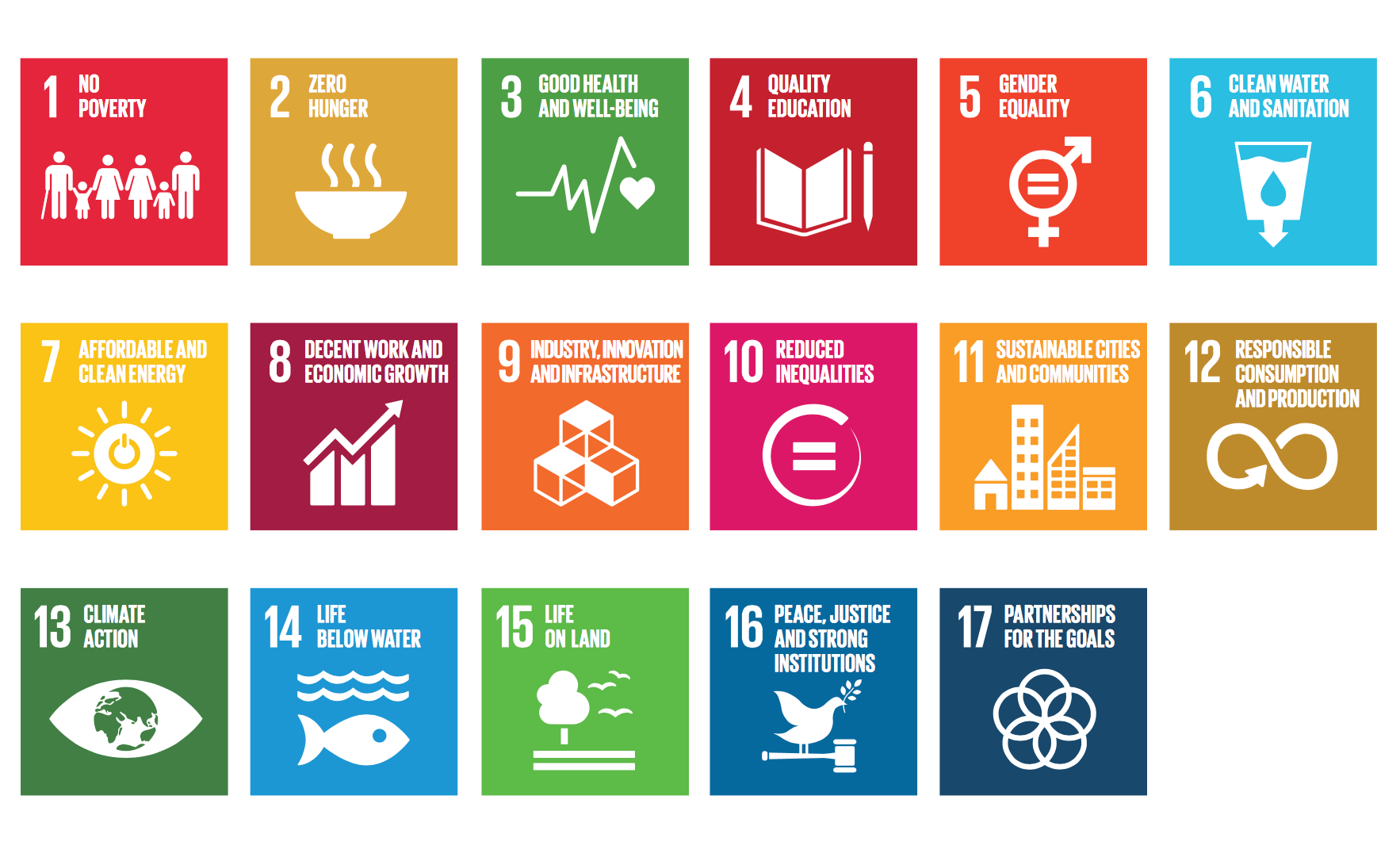
In 2015, a United Nations summit adopted an agenda that comprises 17 sustainable development goals (SDGs), including ending extreme poverty, preserving the environment and promoting economic growth.

Large data gaps continue to predominate, and only 40 per cent of the indicators in the global SDG data framework are accompanied by data in Africa, said the report.

The document, titled Africa 2030: SDGs Three-Year Reality Check, was compiled by Kigali-based Sustainable Development Goals Centre for Africa.

The report, which monitors Africa's progress toward the SDGs and explores the structural challenges Africa faces, was launched by Rwandan President Paul Kagame at an international conference on SDGs' implementation in Africa.

Even where data exists, much is outdated or incomparable across countries, the report said


Opening gold refinery is sign of a real industrial revolution

Image result for industrial revolution
IT is now official that Tanzania is set to start exporting fully refined gold in two months time upon completion of the first gold refinery plant now under construction in the inland capital, Dodoma.

There is a gold refining facility in big mines but refinement to close to 100 per cent is something new, as value addition to 70 per cent of refining requirements or up to 85 percent is still in technical terms the selling of an industrial raw material rather than the finished product.


Refining up to 99.9 percent as the new plant is expected to reach, makes the difference with 100 per cent refinement a technicality, virtually a question of idiom.

There are a number of monetary fallouts from the change, as Minerals Minister Doto Biteko said the government will move to establish a national gold reserve as called for in the Mining Act. Still it is clear that the government needs more of the revenue than piling up gold reserves, as in the final analysis there is no difference between hard currency and gold reserves.

It is just an extra saving for a rainy day, and that is why accent is placed on monetary royalties upon full refinement of gold, thus value addition.

A similar role is expected from the Bank of Tanzania which shall now be required to purchase and store gold, a position that the president expressed during the monumental intervention on exports of gold sand, etc. In that case the really interesting part is that the country starts being a gold producer rather than a raw gold producer – what is hidden in usual language about being Africa’s fourth biggest gold producer. Maintaining a gold reserve is also a step forward as cushion in managing the public debt, etc.

As this shift to refining gold locally is coming at a moment when the government is taking radical measures to ease conditions of doing business, it means that there is a considerable chance that the shift will not just be stage managed to suit policy prerogatives or directives but actually be embedded in the gold extraction industry.

All these changes have destabilized the local gold mining firm, Acacia as it was anchored in negative mining practices and faulty projections of revenue. Its main shareholder, Barrick Gold Ltd appears to be more understanding, and is repurchasing the third of total shares so that gold mining in Tanzania remains sustainable under the new regulations, without friction with state authorities.

Looking at the figures, the potential for building a significant gold reserve to act as an auxiliary pillar in the monetary balance is considerable, as the plant builders say the refinery will be able to process up to 30 kilograms per day at the start, and increase operational capacity to one tonne per day in a year’s time or less. Whether we already produce sufficient gold for the purpose is one thing but with artisanal mining sales also redirected to local sales centres instead of being exported, it would not be surprising that the capacity can be properly utilized.

There is also a refinery to be set up in the Lake Zone area, and definitely these investors did their homework to ascertain that there will be optimal productivity there. It thus follows that the country’s finances will be stable, but it isn’t a ticket for a borrowing spree

Mapping out borders could help to stem unnecessary disputes

Image result for kenya tanzania border

REPORTS from Arusha confirm that Tanzania and Kenya mapping  out the common border with new beacons, an initiative that has started on the northern parts of the border from the lakeside district of Tarime to the eastern slopes of Mount Kilimanjaro.

So far officials are only talking about this exercise, which is given as phase one up to Lake Natron and phase two up to eastern Kilimanjaro territory. The next phase would involve going all the way down to the seashore on the northern reaches of Tanga.


What the current exercise involves is placing beacons to show precisely where the border passes, and it appears this is a region-wide exercise as most countries bordering Tanzania are doing the same or in cooperation with Tanzania for that matter and their other neighbors. This may also involve an exception of Burundi and Rwanda which were not mentioned in an interview with a top official of the Ministry of Lands, Housing and Human Settlements. Needless to add the same exercise would finally apply to these countries too and despite border disputes between Uganda and DRC in relation to Lake Albert waterline.

A senior official of the Kenya International Boundaries Department said that the exercise follows a United Nations resolution which directs the countries to formalize boundaries drawn up at the Berlin Conference of 1884. This directive by the UN Secretariat or its associated agencies is a reflection of boundary disputes which have no reason to be there, on the basis of international law or specifically the succession of treaties convention. The Geneva Convention on treaties in international law provides for indefinite succession of treaties by governments irrespective of the manner government changes hands.

Two current border conflicts come to mind, and they may have contributed to a greater or lesser extent in the move by the UN agency to expedite the mapping out of boundaries, both by installing more effective boundary marks (beacons) as well as reaffirming treaties in that connection. One is a lesser and now tamed dispute, that between Malawi and Tanzania on where to demarcate the border, and the hotter dispute rages between Kenya and Somalia, as the latter is demanding prolonging the land border line into the sea, for an unclear reason. It is as if Somalis also live in the sea by similar numbers as well.

When the UN tells African countries to demarcate their borders, install new or better markers and promulgate, officiate or formalize the same under the terms of the Berlin Conference border making exercise, this comes as a bit of a surprise to those who are familiar with a bit of history. For the Berlin Conference treaty was enshrined in the statutes of the League of Nations along with amendments thereto, for instance in the Heligoland Treaty of 1890 - which Malawi has been using as an excuse to demand sovereignty on all the lake portion on its eastern border with Tanzania. What Malawi pretends to forget is that after World War I Britain corrected that anomaly, rectifying the border to Berlin terms.

The point however is that this act of revision was not just conducted in due and proper form in the UK legislature in 1924 but also deposited with the League of Nations in 1925. It means that by the time the United Nations was formed, this rectification was part of the statutes it inherited, so under existing norms of international law neither Malawi nor Tanzania can go back on that amendment. It is this act of recognition that the UN is demanding, and hopefully Africa will comprehend, to stop useless quarrels


Tactical use of bush meat can help cut hunger, malnutrition

Image result for malnutrition
ENTHUSIASTS of roasted meat in open air spots are grinning with expectation after the government announced that it will be putting hippos on sale to reduce dangers to people living near rivers and lakes infested with the animals, along with a much smaller margin of crocodiles.


There was a sharp difference in the position of the government concerning the two animals, which appears to be strategic in nature as only ten per cent of crocodiles are to be placed on auction, while any hippos will be hunted.  It implies that the Ministry of Natural Resources and Tourism is protecting crocodiles but why not in the reserves?


If anything, it is crocodile hunting that would be fun to tourists as their skin is often valued, unless there are protective conventions in the CITES or other global accords, where crocodiles are listed in some auxiliary list as needing a minimum of protection.

But the local record in Tanzania for example is quite different, as it is rapidly becoming evident for elephants as well, that despite the global cry for the protection of this imposing beast, the level of destruction at the local level is rising. That means there needs to be a wider avenue to making some revenues or even bush meant use out of crocodiles as well.

One area which can help authorities put the bush meat to good use is directing the meat not to the market and dampen profits and productivity of livestock herders but to people needing assistance of public authorities in one form or another.

One such category is hospitalized people, another would be young people in schools who get a paltry meat diet if any, while the meat that would be offloaded to society could as well be targeted in a way to needy families. Some kind of labour exchange could as well be sought out in exchange for the meat, especially where the claimants are men to pay for likely misuse.

The problem that comes up is whether the ministry has a workable infrastructure to direct the bush meat bonanza for charitable purposes instead of simply whetting appetites and risking raising levels of blood pressure, diabetes etc owing to cheap roasted meat.

A slight or significant impact on the profit margin of livestock keepers would also be noticed, though this may have a positive aspect of easing access to meat for poor families. There is certain amount of complication in how the bush meat prospect is not just added to the market but put to more uses than markets, in case it can be arranged.

One possible modality is what is usually known as a public-private partnership, that organizations that are concerned with nutrition in assisted areas like hospitals, prisons, families receiving subsidies for instance the Social Action Trust Fund (SATF) and even public health facilities where lactating women report from time to time, can do the job.

They can work with an interested party that can carry out such hunting after obtaining a permit, and put up a modality for charitable disposal of at least a portion of animals they hunt.

This hasn’t so far been mooted but it would help to make better use of resources, as it would improve nutrition to an extent, and any extent is good to obviate deficits like stunted children

Empowering people and ensuring inclusiveness and equality

Image result for Empowering people
Sustainable Development Goals (SDGs) are a collection of 17 global goals set by the United Nations General Assembly in 2015 for the year 2030. The SDGs are part of a resolution   of the United Nations General Assembly, the 2030 Agenda.

The goals are broad based and interdependent. The 17 sustainable development goals each have a list of targets that are measured with indicators.


Key to making the SDGs successful is to make the data on the 17 goals available and understandable.  Various tools exist to track and visualize progress towards the goals.

In 1972, governments met in Stockholm, Sweden for the United Nations Conference on the Human Environment, to consider the rights of the family to a healthy and productive environment. In September 2011, this idea was picked up by the United Nations Department of Public Information 64th NGO Conference in Bonn, Germany. The outcome document proposed 17 sustainable development goals and associated targets.

In January 2013, the 30-member UN General Assembly Open Working Group on Sustainable Development Goals was established to identify specific goals for the SDGs.

Ban Ki-moon, the United Nations Secretary-General from 2007 to 2016, has stated in a November 2016 press conference that: "We don’t have plan B because there is no planet B! ”  This thought has guided the development of the Sustainable Development Goals (SDGs).

The Post-2015 Development Agenda was a process from 2012 to 2015 led by the United Nations to define the future global development framework that would succeed the Millennium Development Goals.

The SDGs were developed to succeed the Millennium Development Goals (MDGs) which ended in 2015. The gaps and shortcomings of MDG Goal 8 (To develop a global partnership for development) led to identifying a problematic "donor-recipient" relationship. Instead, the new SDGs favor collective action by all countries.[13]

The UN-led process involved its 193 Member States and global civil society. The resolution is a broad intergovernmental agreement that acts as the Post-2015 Development Agenda. The SDGs build on the principles agreed upon in resolution   entitled ‘The Future We Want’.  This was a non-binding document released as a result of Rio+20 Conference held in 2012.

Negotiations on the Post-2015 Development Agenda began in January 2015 and ended in August 2015.

The negotiations ran in parallel to United Nations negotiations on financing for development, which determined the financial means of implementing the Post-2015 Development Agenda; those negotiations resulted in adoption of the Addis Ababa Action Agenda in July 2015. A final document was adopted at the UN Sustainable Development Summit in September 2015 in New York.

On 25 September 2015, the 193 countries of the UN General Assembly adopted the 2030 Development Agenda titled "Transforming our world: the 2030 Agenda for Sustainable Development.

In the same vein, the High-level Political Forum, United Nations central platform for follow-up and review of the 2030 Agenda for Sustainable Development and the Sustainable Development Goals, provides for the full and effective participation of all states members of the United Nations and states members of specialized agencies.

The meeting of the high-level political forum on sustainable development in 2019 convened under the auspices of the Economic and Social Council.


Business is extremely important to a country's economy


Business is the activity of making one's living or making money by producing or buying and selling products  such as goods and services.

Simplyput, it is  any activity or enterprise entered into for profit. It does not mean it is a company, a corporation, partnership, or have any such formal organization, but it can range from a street peddler to big companies .


Having a business name does not separate the business entity from the owner, which means that the owner of the business is responsible and liable for debts incurred by the business. If the business acquires debts, the creditors can go after the owner's personal possessions. A business structure does not allow for corporate tax rates. The proprietor is personally taxed on all income from the business.

The term is also often used colloquially  but not by lawyers or by public officials  to refer to a company. A company, on the other hand, is a separate legal entity and provides for limited liability, as well as corporate tax rates. A company structure is more complicated and expensive to set up, but offers more protection and benefits for the owner.

The private sector has expressed satisfaction with reforms made by the government recently to enhance ease of doing business in the country as recommended in the Blueprint whose implementation began last year.

Presenting a report on the status of implementation of reforms highlighted in the Blueprint, Prof Lucian Msambichaka said among positive reforms is the role redefining for the Tanzania Bureau of Standards (TBS) and the Tanzania Medicines and Medical Devices Authority (TMDA).

This followed as the government folded up the Tanzania Foods and Drugs Authority (TFDA), a move that has reduced the number of permits, inspection requirements and fees that investors had to apply for.

“The reforms have brought a positive impact to both the private sector and the government. The private sector has been able to significantly reduce compliance costs and in turn increase productivity. On the other hand, the government has observed an increase in compliance and in some instances, revenue,” said Prof Msambichaka.

The veteran UDSM economist was tasked to evaluate the changes as part of Tanzania National Business Council (TNBC) working groups.

Some of the reforms have been highlighted in the Blueprint which proposes to improve the business environment through reduction of regulatory burdens and risks faced by businesses in seeking to comply with regulations.

The TNBC was established under Presidential Circular No. 1 of 2001 and tasked with fostering public and private sector dialogue on issues of economic policy. In November 2018, Chief Secretary John Kijazi launched the TNBC working groups tasked with scientifically informing policy makers on the best way of implementing business enabling environmental reforms through public-private dialogue.

The working groups have resolved to benchmark the status of reform implementation and to communicate what has been done so far by the government to improve the business environment with key stakeholders and the broader public, the don noted.

In his remarks, the minister for Trade and Investment, Innocent Bashungwa reaffirmed the government’s commitment to implementing the Blueprint.

“The government believes in a private sector driven economy as this is essential to achieving middle income economy ambitions,” said Bashungwa.

The government will continue to use stakeholders’ forums to communicate reforms currently being implemented and to highlight which reforms are and would have the highest impact on the private sector, the minister underlined


Sustainable Food and Agriculture to boost accomplishing SDGs in Africa


FAO highlights harmonizing Sustainable Food and Agriculture in achieving SDGs and Malabo Declaration


With 257 million people hungry and every third person malnourished in Africa, sustainable agriculture (crops, livestock, fisheries & forestry) and natural resource management are critical in tackling the root causes of poverty and hunger, which is an overarching challenge for achieving the Sustainable Development Goals (SDG).


To accelerate progress towards the SDGs, the Food and Agriculture Organization of the United Nations (FAO) organized ‘Mainstreaming Sustainable Food and Agriculture (SFA) in the Implementation of the Sustainable Development Goals (SDGs) in the Context of the Malabo Declaration.’

Gathering over 80 participants from relevant ministries, African Union Commission Department of Rural Economy and Agriculture (AUC DREA), the New Partnership for Africa's Development of the African Union Development Agency (AUDA NEPAD), United Nations Economic Commission for Africa (UNECA), private sector, and civil society, this workshop aims to develop the capacities of ten African nations on integrating sustainable food and agriculture into national agricultural investment plans, in relation to the Malabo Declaration.

Furthermore, this event will allow countries to share information on their experiences, progress and challenges associated with integration of sustainable food and agriculture into national investment and development plans.As an important goal of the workshop, participants will identify options to move forward at the national level to mainstream food and agriculture and ensure the realization of SDGs in the context of the Malabo Declaration implementation.This can only be achieved through a transformative change that must be done in a more integrated way, across sectors, and across varying stakeholder interests. Monitoring, partnerships and financing are key aspects of the implementation process.Sustainable Food and Agriculture and SDGsThe way food is grown, produced, transported, marketed, stored, traded and consumed fundamentally connects people and the planet.  Sustainable food and agriculture contribute to tackling the root causes of poverty and are a catalyst towards inclusive and sustainable economic growth, and provide a practical solution for inclusive prosperity, leaving no one behind.Therefore, food, agriculture, and people are at the center of the 2030 Agenda. Sustainable food and agriculture is a key factor in reducing poverty, providing nourishment to ensure healthy and productive lives, and preserving resources for future generations. Moreover, SFA can also deliver inclusive growth and drive positive change across the 2030 Agenda.“FAO, with its expertise and resources, is well-positioned to support countries in achieving the Sustainable Development Goals, along with many partners. The interconnectedness of the SDGs means that all actors supporting countries in implementing and monitoring the goals must collaborate and share knowledge,” said Ade Freeman, the Regional Programme Leader of FAO Regional Office for Africa.Freeman added “FAO envisions that member countries will have improved awareness on the critical role of sustainable food and agriculture in achieving SDGs in the framework of the Malabo Declaration. As the Malabo Declaration and the SDGs share common goals, mainstreaming SFA will contribute to Africa achieving national, regional and global targets.”This event is built on the outcomes of the FAO workshop “Towards Productive, Sustainable and Inclusive Agriculture, Forestry and Fisheries in Support to the 2030 Agenda for Sustainable Agriculture,” held in Kigali, Rwanda in September 2016. Additionally it will complement the upcoming “Regional Capacity Building Workshop on Monitoring of SDG indicators in Eastern Africa” to be held in Addis Ababa


Rare flower tourism push should be tapped, not ignored


SOME problems that conservators in the country’s national parks face are unique, not to say strange at times.

Suchis the case with Kitulo National Park in the Southern Highlands where warders have to do extra work after groups of people from nearby towns and neighbouring countries increasingly target the area looking for a rare orchid flower believed to have medicinal values.


And it isn’t medicine that concerns a few people but a cure all, libido enhancing qualities.

It is said that the flower is now popular with many people from as far as Malawi, Zambia and Zimbabwe, craving to get their hands on the flower, thus putting an edge on conservation capacity.

A senior official at the park says the flower, known locally as ‘chikundwa,’ is endemic only in the area, also known for its abundance of colorful flowers.

Strictly speaking, this is another area for tourism potential that the country was rather unfamiliar with, until this flower picking rage came up; nearby countries awoke to the medicinal pilgrimage.

The conservation official said Kitulo is home to over 45 species of ground orchids and out of these there are 31 types of terrestrial orchids that are endemic to Tanzania.

About 16 types can only grow in Kitulo and surrounding Poroto Mountains just to show how the area is unavoidable if one is looking for the medicinal values espoused.

Instead of being irked by this bush tourism where hotels aren’t part of the bill, camping sites or beaches, why not come up with a different way of tapping it? Shall it not be threatened with excess harvesting in this manner? Can it be propagated more widely?

Experts say orchids are described as wonder flowers due to their multiple uses including medicinal use as in medicinal tea, but some of its applications or specific varieties are said to help cure or impede cancer, strengthen the immune system and improve eyesight.

Those are qualities that most middle aged people think about, intensively in which case national park authorities should look for ways of throwing the seeds or enriching the pollens more widely. Then they set up flower picking safaris with a bit of a revenue extra than is the case at present, thus get out of the fear of ‘unwanted tourists’ there.

Field reports say that after Kitulo flowers were found to have qualities of boosting male reproductive ability, the management of Kitulo National Park is now doing the extra work of keeping at bay invaders who pick the flowers within the protected area.

The emphasis was on protection, on the basis of an impression that real tourists come to see wildlife, make extensive photographing or hunting, book hotels or use rugged train vehicles. They don’t come by bus and then walk into the national park, avoiding predators, etc.

There is even further use for the orchids which make their presence of considerable commercial value, as it appears that in some countries the flowers are used to make drinks and confectioneries, and elsewhere for making perfumes and deodorants.

The Chinese, always a step ahead with plant or herbal medicines, use it for medicinal purposes. If the flowers are just found in Kitulo, why not convert this site into a botanical tanzanite garden? Is it complicated